
“Track The Fly” is part of the citizen science project “Melanogaster: Catch The Fly!” and will enable secondary school students to monitor the impact of climate change on local biodiversity.
With the help of a weather station developed through citizen participation, and a web application created at the Laboratory of Functional and Evolutionary Genomics (González Lab) of the CSIC, secondary school teachers and students can monitor biodiversity in their local areas by collecting species of the genus Drosophila and recording environmental data from the collection sites.
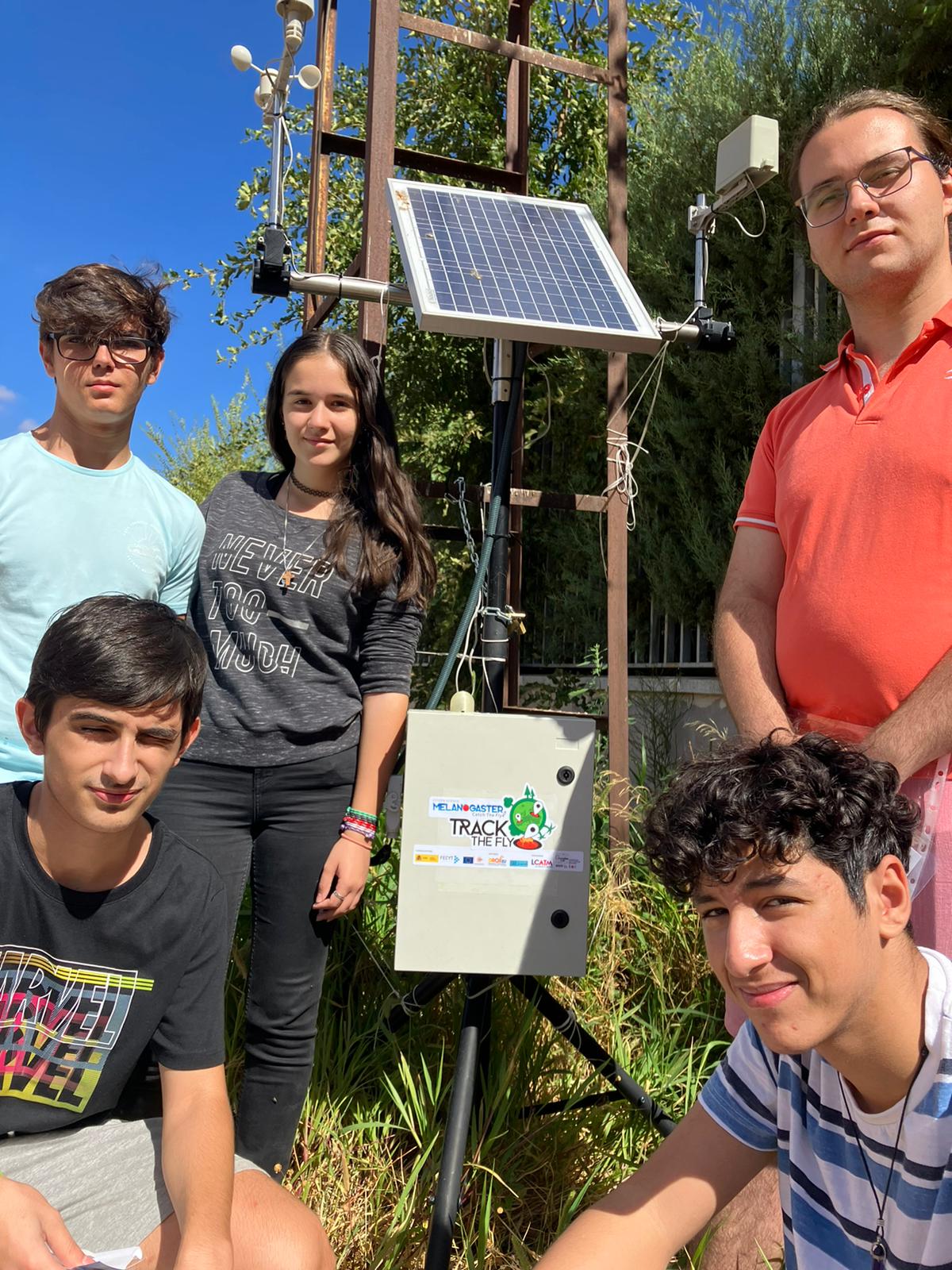
Through the global analysis of biodiversity variation and its relationship with environmental variables, students will generate initial hypotheses on how climate change may affect biodiversity. The locally collected data will be shared with all participating schools for joint analysis. This new activity, aligned with the objectives of the European Green Deal program, will allow students to observe and reflect on the impact of climate change on local biodiversity, turning them into ambassadors for the ecological transition toward a more just, resilient, and sustainable society.
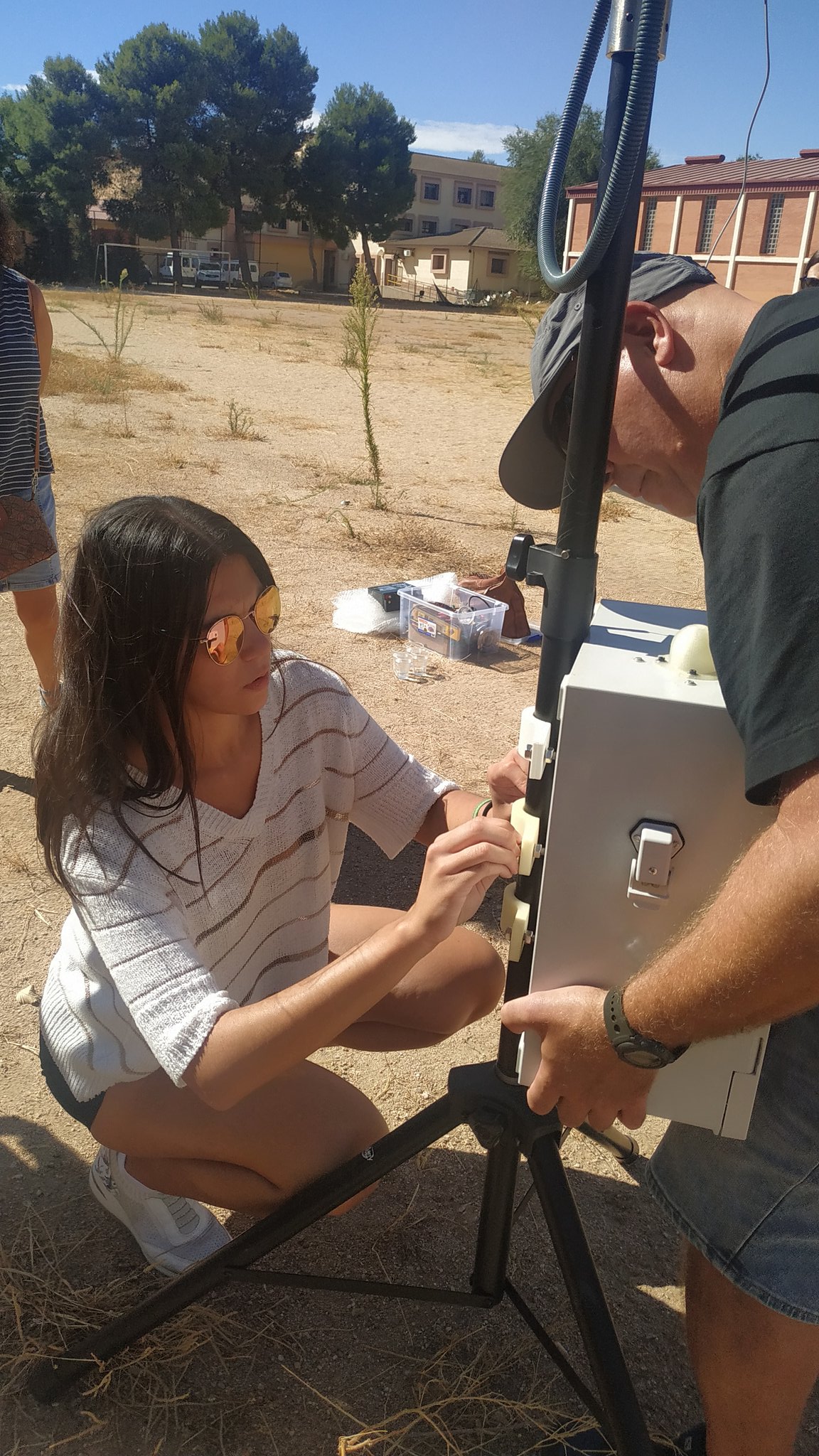
The research conducted by students and teachers will be presented to the scientists of the European Drosophila Population Genomics Consortium (DrosEU) with the aim of jointly proposing new scientific hypotheses to be addressed through citizen-science collaboration.
Other schools in the citizen science network “Melanogaster: Catch The Fly!” have already expressed interest and willingness to assemble and install their own Track The Fly! weather stations in their localities and will join IES Eladio Cabañero throughout the school year.
The citizen science project #MelanogasterCTF is organized by the Laboratory of Functional and Evolutionary Genomics of the CSIC and the science outreach platform La Ciència Al Teu Món (LCATM). The project collaborates with the European Drosophila Population Genomics Consortium (DrosEU), and is supported by the Spanish Foundation for Science and Technology – Ministry of Science and Innovation (FECYT) and the European Research Council (ERC).

